December 11, 2025
 The software development method known as Adaptive Software Development (ASD) provides flexible development approaches. Jim Highsmith created ASD during the 1990s to solve the problems that traditional development methods presented. It centers on three key principles: speculation, collaboration, and learning, which help teams deal with uncertainty and adapt to change. It is an iterative development process operates through multiple cycles which enable teams to evaluate their work multiple times for better project alignment with customer needs.
This blog post explores the core principles and advantages of Adaptive Software Development, explaining how this method integrates with contemporary software development approaches.
What is Adaptive Software Development?
The software development framework known as Adaptive Software Development (ASD) provides flexible methods for building software systems. The system enables continuous modifications and adjustments to its operations. The method operates differently from traditional rigid development approaches because it accepts unpredictable situations. The method delivers exceptional results in situations where changes occur frequently and unpredictably.
The method operates under the belief that all projects will experience changes during their development process. The method depends on ongoing planning activities and continuous adaptation processes. The method proves most beneficial for projects which need requirements that emerge after the initial development phase. The main characteristics of this method include:
- The system adapts its operations to new requirements which emerge during development.
- The system focuses on working with customers throughout the entire process.
- The system delivers new functional parts at regular intervals.
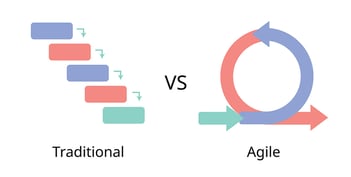 The development approach of ASD shares common elements with Scrum and Extreme Programming (XP) agile methods. The method uses recurring development stages to achieve quick project delivery. The method depends on team collaboration and knowledge acquisition to achieve its goals. The method supports both creative work and experimental approaches which make it suitable for projects with changing requirements. The method enables developers to create prototypes quickly while obtaining continuous feedback which leads to better project results.
The three fundamental principles of ASD
The three fundamental principles of Adaptive Software Development consist of speculation, collaboration and learning. The project management process depends on these principles to handle unpredictable situations.
| Speculation | It requires teams to create plans that accommodate future unpredictabilities. The process of planning for future changes requires more than predicting what will happen because it needs to handle unexpected developments. This principle needs teams to create strategic predictions which they can modify when fresh data becomes available. |
| Collaboration | The core principle of ASD requires teams to work together as a single unit. It requires complete team involvement at all organizational levels. This enables stakeholders to share their thoughts through open communication, which leads to unified project goals. The project benefits from shared responsibility between team members. |
| Learning | The adaptive method depends on learning as its fundamental foundation. It bases its development on feedback data to achieve ongoing improvement. Teams achieve performance and result improvements through their regular practice of performance assessment and result evaluation. |
In summary, these principles consist of:
- The planning process needs to include provisions for future adjustments.
- The system depends on continuous open communication between all parties.
- The system maintains a permanent focus on enhancing its operations.
The Iterative Development Process
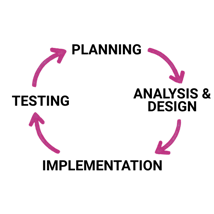 Adaptive software development implements an iterative development system that divides work into smaller segments. It enhances the product through small functional updates during each development cycle, enabling teams to conduct regular project assessments, which maintain customer requirements alignment. Stakeholder feedback collection during each cycle helps developers create products that better match market needs.
This system decreases project risks while building a stronger development environment because helps detecting problems early, which allows them to implement swift changes. It allows teams to learn continuously while they improve their processes.
The iterative development process consists of four essential stages which follow each other in sequence.
 The team defines specific goals for their upcoming iteration work.
The team creates and tests individual development increments.
The team receives feedback from all stakeholders involved.
The team adjusts processes based on feedback.
Benefits of Adaptive Software Development
Adaptive Software Development offers numerous benefits to organizations due to its ability to adjust to various circumstances through its flexible design framework.
- This system keeps projects connected to their original objectives through its continuous assessment process.
- It leads to better customer satisfaction results. The ASD system promotes users to provide feedback at regular intervals. The team can make immediate changes to user requirements through this system.
- The risk management process becomes more effective through ASD implementation. The project cycles enable teams to detect problems at their initial stages. The team can solve emerging problems before they become major issues.
Challenges and Limitations of ASD
The flexible nature of ASD creates difficulties for project implementation. The implementation of ASD requires teams to abandon their current working methods. The transition process becomes difficult for teams that follow rigid procedures. The success of ASD depends on effective leadership from its leaders. Team members require their leaders to provide guidance during the transition process. Teams will struggle to understand their tasks when they lack effective leadership.
The main restrictions that affect ASD implementation include:
- The project scope tends to expand beyond original plans.
- The success of ASD depends on leaders who possess advanced skills. The process requires organizations to transform their work culture.
- The team members fail to work together effectively.
The implementation of Adaptive Software Development becomes necessary when projects face unpredictable requirements. The method delivers its best results when requirements shift at a fast pace. The method works best for projects operating in fast-changing environments.
The Adaptive Software Development method provides organizations with an adaptable system structure. It helps teams to handle changes successfully and promotes team collaboration while teaching them to improve their work through continuous cycles of development.
The strategic approach of ASD delivers exceptional results for projects that need flexibility. It follows agile principles and meets contemporary business requirements. ASD enables teams to create valuable software solutions through continuous adaptation which matches customer needs and market direction.